Optimizing a bioprocess requires timely insight into both product quality and the conditions that drive it. From understanding critical quality attributes (CQAs) of biotherapeutic proteins to monitoring how cell culture media composition and feeding strategies impact performance, analytical workflows play a central role in decision-making.
Traditional mass spectrometry workflows can introduce complexity through sample preparation, method development, and longer analysis times—creating delays between sampling and actionable insight.
This webinar explores a streamlined approach to mass spectrometry workflows using capillary electrophoresis-based separations to enable faster, simplified analysis across both protein characterization and cell culture media. Attendees will see how high-resolution separations and direct MS interfacing can support rapid charge variant and glycoform profiling, while also enabling analysis of small, polar metabolites and media components from the same platform.
Through real-world examples, including quantitative analysis of key metabolites in cell culture media using established assay kits, we will demonstrate how these workflows can reduce sample preparation, shorten time to results, and provide reproducible, quantitative data to support bioprocess development.
Learning Objectives:
Understand how a microfluidic, direct-to-MS interface simplifies mass spectrometry workflows , eliminating columns, gradients, and complex setup while enabling high-resolution separationsSee how streamlined workflows reduce sample preparation and analysis time , accelerating biotherapeutic protein characterization and enabling faster, more informed decision-makingExplore real-world data from case studies showing how a unified MS workflow supports both protein and cell culture media analysis, including quantitative insight into key metabolites that impact bioprocess performance
Speakers
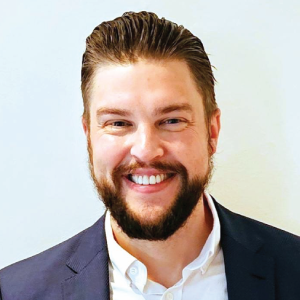
Hampus Engstroem Repligen
Hampus Engstroem is a Field Applications & Marketing Manager at Repligen, where he supports and drives adoption of the ZipChip® CE-MS and REBEL® XT Media Analyzer platforms. He brings over a decade of hands-on experience in mass spectrometry and molecular biology, with a strong focus on translating complex analytical technologies into practical, high-impact workflows for biopharma and research applications.
Prior to joining Repligen, Hampus held multiple roles at 908 Devices, including Field Application Scientist, Team Lead for the North American Field Applications organization, and Product Management Liaison for the ZipChip CE-MS product, where he played a key role in customer support, product development feedback, and market positioning. Earlier in his career, he managed the George L. Wright Jr. Center for Biomedical Proteomics core at the Leroy T. Canoles Jr. Cancer Research Center at Eastern Virginia Medical School, overseeing advanced proteomics workflows and supporting translational cancer research.
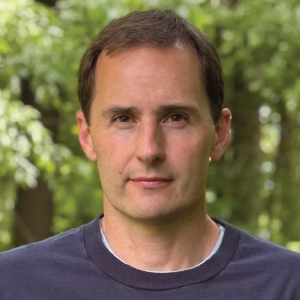
Scott Mellors, Ph.D. Move Analytical
Dr. J. Scott Mellors is Founding Partner and Science Lead at Move Analytical, where he leads production efforts as well as the translation of research ideas into practical customer tools. With over two decades of experience in analytical chemistry and instrumentation, Dr. Mellors is widely recognized as an expert in capillary electrophoresis-mass spectrometry (CE-MS) and ultrahigh-pressure liquid chromatography (UHPLC).
Scott earned his Ph.D. in Chemistry from the University of North Carolina at Chapel Hill in 2005, conducting research on UHPLC under the mentorship of Professor James Jorgenson. He subsequently joined the laboratory of Professor J. Michael Ramsey as a staff scientist, focusing on integrating microfluidic separations with mass spectrometry. During his tenure, he led the microchip electrospray ionization (ESI) subgroup, contributing to advancements in microfluidic CE-MS systems.
In 2014, Scott joined 908 Devices as a Principal Scientist, where he played a pivotal role in the development of the ZipChip® and REBEL platforms. These innovations have enhanced analytical workflows by providing rapid, high-resolution separations with minimal sample preparation. His work has been instrumental in advancing CE-MS technology for antibody characterization and metabolomics applications.
Hello and welcome to today's webinar organized by Replogen. My name's James Strachan, editor of The Analytical Scientist, and I'm delighted to be the moderator of today's event, which we'll discuss rethinking mass spectrometry workflows to accelerate biotherapeutic protein analysis. The first of our two speakers today is Hampus Engstrom. Hampus is a field applications and marketing manager at Repligen, where he supports and drives adoption of the Zip chip, CEMS, and the Replexity Media Analyzer platforms. It brings over a decade of hands-on experience in mass spectrometry and molecular biology, with a strong focus on translating complex analytical technologies into practical high-impact workflows for biopharma and research applications. Prior to joining Repligen, Hampus held multiple roles at 908 devices, including field application scientist and product management liaison for the Zip chip product. Our second speaker is Scott Mellor. Scott is a founding partner and science lead at Move Analytical, where he leads production efforts as well as the translation of research ideas into practical customer tools. With over 2 decades of experience in analytical chemistry and instrumentation, Scott is widely recognized as an expert in capillary electrophoresis mass spectrometry and ultra high pressure liquid chromatography. Scott earned his PhD in chemistry under the mentorship of James Jorgensen. He subsequently joined the lab of J. Michael Ramsay, focusing on integrating microfluidic separations with mass spectrometry. In 2014, Scott joined 908 Devices as a principal scientist where he played a pivotal role in the development of the Zip chip and Rebel platforms. Our speakers will be on hand to answer any questions at the end of the presentation. Where you can submit questions at any time by clicking on the Ask a Question box. OK, we're now ready to start the presentation. So I'll hand over to our speakers. Ampus, Scott, over to you. Hi and welcome to our webinar Rethinking Mass Spectrometer Workflows to accelerate Biotherapeutic protein analysis. My name is Hampus Engstrom. I'm a field application and marketing manager at Repogen. The second half of the talk will be led by Scott Mellor, who is a founding partner and Science League at Move Analytical. So the presentation will start with a bit of an overview of the zip chip system and go into how the separation and electrospray ionization work, and then finally go over some of the applications that you can do with the zip chip device itself. And then Scott will take over and go over their move kit CE kit that enables automatic reproduciblepo metabolite analysis using the zip chip microchip CEMS system. So Repogen as a company offers innovative solutions for all the key stages of bioprocessing, so anything from upstream process identification, high yielding chromatography, scalable filtration of formulation, and fluid management. We also have our uh PAT Smart process analytics uh suite of products. So this is where the zip chip system fits in, uh, which is what I'm going to talk about today. We also have our Rebel XT atline Media analyzer, uh, for, uh, amino acid analysis of cell culture media. We also have our MAVEN and Maverick inline and online glucose selective monitoring devices. And finally, our Solar VP Plus and Flow VPX products for protein concentration monitoring. So, uh, what is Zip ship? It is a, uh, microfluidic capillary zone electrophoresis device that couples directly to your mass spectrometer, and it, um, enables separation and electrospray ionization in one. The separation is done mainly by charge and size of the analytes. And because you have a mass spec at the end, you also get a peak ID of all of the peaks that you're seeing. And you can The system is compatible with a wide variety of applications, and to perform these applications, it is a very straightforward workflow. So you pick your application, you pick a reagent kit that corresponds to the application, and you pick your chip. And because of how the system is designed, there is typically little to no sample prep. Most of the time it's just a dilute and shoot type situation. When you load your sample into the system, um, you hit go and you get your data. So in terms of maspe compatibility, uh, the zip chip is currently compatible with the Thermo Fisher scientific Sweer products as well as the Brooker, uh, Sweeter products. So, uh, any and all Thermal and Brucher Maspes are compatible with the zip chip. In terms of hardware, the zip chick comes with the interface itself and an auto sampler, so that the interface itself is a lightweight interface that is not much bigger than a typical ion source, and as you can see in the middle here, it also fits directly onto your mass spectrometer just like a regular ion source. You just take the ion source off and put the zip chip on, and it synchronizes all electrical or fluidic connections automatically. Um, it also comes with an auto sampler that sits to the side and it's connected to the interface using some tubing. And this is for automatic sample delivery and reagent delivery from the auto sampler to the chip itself. So you can just put your samples in the auto sampler, uh, create a sequence, hit go, and it will just transfer all of the samples in sequence to the chip, and the analysis will happen automatically. So you can use your standard auto sample vials or you can use 96 well plate or a 384 well plate as well. So in terms of how the separation works, so all of the separation takes place on these microfluidic chips. You can see a diagram over here to the left. This is what it looks like when you take it out of the package. It has 4 wells. So you have a sample well. This is where your sample gets delivered from the auto sampler to the chip, and then you have 2 wells for your background electrolyte. The background electrolyte is the reagents used. It's essentially the mobile phase, if you will, of CE, and It's what drives the migration and separation of the analytes. Uh, you also have a waste well. Uh, this is where your negatives and neutrals will go. And then it also comes with integrated electrospray ionization in this sort of exposed spray corner is what we call this, um, so your analyze would just spray directly into the mass spec just using this chip. You don't have to have an LC. You don't have to have a needle or anything like that. Everything happens on the chip itself, so. Um, when the sample gets delivered to the sample well, uh, it is then injected into the, uh, channels here, the microfluidic channels, uh, using pressure, and when the analyze, uh, uh, reaches this cross section right here. There's a voltage that gets turned on, so you can see I have a 5 kV electrode in this well and a 2 kV electrode down here. So there's a voltage potential between these two wells here that drives positive lights to go down into the separation channel here. This is the channel that kind of snakes up and down, and they will separate based on their charge and size or shape, and then they will spray into the mass spec using the integrated electric spray ionization here at the corner. negatives and neutrals will go to waste, and what this means is that the system is very friendly to a variety of different sample matrix impurities or residual components, so things like detergents, surfactants, or even salts are perfectly fine to have in your sample. It would just go to waste or migrate before your sample and not interfere with the signal whatsoever. In terms of the separation principle, it is based on the electrophoretic, uh, the separation principle is based on electrophoretic mobility, which is directly proportional to the charge of the analyte and then inversely proportional to the viscosity of the background electrolyte and the hydrodynamic radius of your analyte in question. Uh, hydrodynamic radius is kind of a fancy word used to say its shape or its size. Um, so here on the right you can see this is an amino acid standard that that we use for our IQOQ of the system, and you can see how the amino acids are, are migrating, uh, separately from each other but also based on their charge. So in this case lysine has the highest charge, so it will migrate first, and then aspartic acid has the lowest charge, so it will migrate last. But, uh, I also wanted to highlight. That isoleucin and leucine, which are isomers of each other, they have the same exact charge, but this is where the hydrodynamic radius impact comes into play, where they do have a difference in their shape or size, so they will actually migrate or baselines separate from each other when they migrate. So even though they have the same charge, you still can separate them from each other, which is not something that you typically can do on an LC system, for instance. Um, so I mentioned that the workflow is, is, uh, pretty straightforward, uh, on the zip chip. So you pick your application, uh, and then you pick your kit that corresponds to the application in question, um. And I should mention that uh the peptides kit here, uh, suffers a little bit from historical nomenclature, so it could actually be used for a wide variety of applications outside of peptide analysis. So we use this for intact nature, metabolomics, sub analysis, and of course peptide mapping. Um, now we have our charge ban analysis kit and our hologost kit as well, and they are very specific to those two applications. Um, and then you pick your, your kits. So we have two sort of main flavors of chips, if you will. So we have our HR or high resolution chip, and then we have our HS or high speed chip. So it depends a little bit on what application you're. Running and what your focus is if it's resolution and you need to have all of your peaks be very well separated from each other or if you have a high throughput type application and you need speed, then you will pick the HS chip. So it kind of depends on the application and your needs. Um, and similarly, we have sort of, uh, subflavors if you will, of the chips. So we have, uh, specific for the chan analysis or the native analysis, uh, the chips that's the ones that end with the N, that the N, and then we have specific chips for oligo analysis. As well, so, but, uh, again, the, the workflow is very simple, straightforward. You can, you pick your application, pick the kit, pick your, your chip, and then you can get your, um, results in as little as 2 minutes or even faster depending on what application you're on. And speaking of applications, so the next few slides I wanted to go over a few of the applications that you can do with the zip ship. Um, I do want to preface this by saying that the zip ship is, it's not a lockdown system, and what I mean by that is that, you know, we don't have a set panel of analytes that, that we're analyzing. Uh, we don't have a set specific type of application you can do. I like to think of it kind of as an LC system, as an alternative to an LLC system where you can kinda, you know. Try to do a lot of trial and errors and we have, you know, users that do a wide variety of applications beyond what's listed here, but everything that is listed here are applications that we have protocols for app notes for that we have sort of vetded internally that we know are gonna work, um. And all of these, I wanted to highlight the ones here on the left here today. So charge band analysis of a monoclonal antibody is probably our most popular application for the zip chip. So here you can separate basic acidic species from your main species and look at its critical quality attributes of your monoclonal antibodies on a native level. Um, similar application is the impact nature in this case your, oh, excuse me, um. Similar application is the intact the nature of the application where um you denature your protein in this case you get rid of the the uh charge variants and you just get a molecular weight of your uh uh protein. It's uh very, very fast, uh, but you do not get quite as much information as they charge for an analysis application. And then, uh, moving further, you can do, also do peptide mapping. So in this case, you get, you know, deeper mapping of your PTMs because you break down your your protein into peptides, so you can get very uh detailed uh mapping of your protein and where these uh different PTMs happen on the protein. And then, um, of course metabolomics, I won't touch too much about this because this is mainly what Scott is going to, to talk about today, but, um, it is something that you can do on, on the zip you very well. So you can do, a small molecule, amino acid and metabolite analysis in a wide variety of sample matrices including cell culture media, serum, plasma, urine, etc. etc. And um yeah other than that, you can also do subunit analysis, uh ADC analysis, you can calculate the, the drug antibody ratios as well as oligo analysis. So, uh, diving a little bit deeper into, uh, these four applications that I highlighted, uh, so starting with charge band analysis, uh, here you can characterize charged heterogeneity of monoclonal antibodies, um, and these will separate under native conditions, uh, so you can get a full charge band and identification by higher resolution mass spec. So, uh, on the left here you can see this is your, your electropherrogram or chromatogram if you will, um, of this is, in this case this is the NIST map reference standards. You can get your main species here is denoted by a 0k because it has zero. License at the C terminus of, of the map and then you have your basic species here to your left, so you have your one license and two license at the C terminals so they all uh separate from each other because the license introduces a difference in charge, right. Um, on the right side you have your acidic, uh, peak. This is where your damidation, oxidation, succinate intermediates, etc. are going to fall. Uh, say mainly, uh, people see diamidation in this peak right here, um. And because you have um a mass spec at the end you also get a mass spectrum right so you can deconvolute this and actually get you know the mass, uh, the actual mass of, of the peak that you're looking at and, and ID it as well, right? and then you can zoom in on one of the charge states and you can see. Uh, glycoform information here as well so you can compare your glycoform pattern to, uh, to make sure that it actually is what it's supposed to be and doesn't introduce a bunch of different glyco forms that you don't want or have a very high, uh, specific type of glycoform all of a sudden. The, uh, sample consumption is very small. It's, it's typically on the peak of brand that gets injected, um, and as I mentioned before, the sample prep is very, uh, minimal. In this case it's, it's most of the time it's just a dilute and shoot type situation, and we have very, uh, thorough protocols and, and procedures that we can share including mass spec starting parameters you can use kind of. Uh, you know, plug in the numbers that we give you and they should get pretty good data out of the box without a whole lot of method development for this application. Um, I mentioned sensitivity already, so, uh, you can get a LOQ, a concentration as low as, uh, 0.01 nanograms. So, uh, this is from a publication of one of our collaborators, uh, where they, uh, compared, uh, a few different types of maps. You have the. Map standard here on the left and then you have two different maps in the middle here, an IGG1 and an IGG4 and then you have a bi-specific here as well and you can see how the profile looks great for all of these different species, right. And uh the LOQ is is quite low as well, so you know it differs a little bit depending on your, your, uh, sample here or your, your uh molecule, you know, but uh overall it, it, you know, it's very comparable in terms of the data you can get, um, and I also wanted to highlight, you know, you can see how uh quickly you get this, uh, these results as well, so you know this one is, is, uh. Amongst these, the slowest ones, so this one is kind of creeping up towards 15 minutes or so, which is typically the longest that we ever see this application take is around 15 minutes. Most of them take 10 minutes or below, so you can see that this takes about 6.5 minutes. This one takes about 8, so it is a very, very fast application as well. You get your results in, yeah, at, at most 15 minutes, most of the time. So, uh, this slide shows the comparison between zip chip and sort of other traditional technologies used for chargeban analysis. So, uh, up top here you can see uh ICIF on the left here. Uh, so in this case you have acidic species are migrating first, uh, it's flipped compared to the zip chip where acidic species are migrating last. Uh, and then your basic species and your main species. So if you look at the zoomed in, uh, version here of the zips sheet, you can see that it looks pretty similar to the, the ICIF profile over here. And same with uh uh charge exclusion chromatography where, you know, the profile also looks very similar if, if not worse than, than zip chip and, you know, the, the biggest uh The difference between, you know, zip chip and these two applications is that we had the mass spec at the end, right, so you could actually get an ID on all of these peaks that you're seeing, which is typically not something you can get on using an ICIF system or a CEX system. I mentioned earlier that that there's very little sample prep in general with the zip ship, and what this enables you to do is to take your sample directly from a bioreactor and just do a simple dilution and analyze it directly on on the zip ship itself. So here you can see on the left you can see two different dilutions, a 100 x dilution and a 10 x solution in our provided diluent, uh, and you can get really nice and solid data for both of these dilutions here. And what this enables you to do is, you know, you can, uh, take your sample directly from a bioreactor at different points in your culture, and you can monitor how the different CQAs behave depending on um. How you're feeding your, your culture, right, so how you're feeding your bioreactor. So in this case we compared a continuous versus a bolo's feed and you can see that the difference in cation is quite stark between the two methods and you know this is something that you can use to optimize the way that you feed your bioreactors for optimal product quality in the end, right. So the next application I wanted to highlight is our intact and nature analysis. So, uh, this is pretty similar to, to the chartran analysis in the sense that you're still running an intact protein or an intact map, but here you have the natured it, so. Um, just a low pH of the BGE that is used for this application is, is going to denature your protein, so you are losing, uh, your charge variants here, but you're gaining a ton of speed and sort of robust ability, I guess is the best way of putting it. So you get a very. Quick way of looking at the molecular weight and get mass confirmation of your sample here and you also get similarly to the charge find you still get your mass spectrum and you can zoom in on the charge states and get glycoform profiling as well here so. Uh, and again, very little sample prep. Most of the time it's a dilute and shoot type situation, and uh you get, you know, in this case using a high speed chip, you get your, your results in about 40 seconds or so, which is really, really fast compared to most other, uh, technologies that you can do this with, um. Mention it's high, highly sensitive as well, so you have an LED as low as 5 picograms here. You can see, uh, uh, 25, 0.25 mgs per mil, uh, is the taller peak here and you can see a little smaller peak here is 0.001 mgs per mil. So, uh, and you still get nice spectrum here. Uh, so the LED is, is quite low and, but the data is still very high quality. Also, uh, very reproducible, reproducible. So, uh, here you can see, uh, multiple, um. Replicates of, of your sample and you get pretty spot on sort of migration time here and it's similar for a variety of different uh maps and, and proteins. So the next application is peptide mapping and multi-attribute monitoring. Uh, for this application, we have sort of developed a very streamlined sample prep. You know, obviously if you have a, an intact protein, you do need to digest it in order to get it to become peptides, right? Um, but we have actually developed a very streamlined way of doing that, that is part of our protocols for this. Application on the zip ship uh and the uh analysis time itself is also very, very, uh, low. So in this case, you know, it's, it's below 8 minutes and you get, uh, all of these peaks coming out, you know, in, in a very quick manner but still separated from each other enough that you can get an ID on all of these peptides, um. And um again, pretty uh straightforward sample, uh, uh, sample prep for this, but the method development itself is very, uh, very minimal because we provide all of that in our protocol and You can get, you know, very good separation of important CQAs and PT PTMs such as glycopeptides, uh, oxidation, isomerization, diamidation, etc. etc. You also get a very high sequence coverage when using the zip chip. So, uh, because we don't have a solid phase like you do in MLC, we can actually retain a lot of the smaller dye and trip peptides, um. So typically the sequence coverage is 98% or above for for uh pepA mapping on the zip ship and um again it it's a very, very fast uh application compared to an LC typically it takes. About an hour or so to do this on analysis and it's, you know, under 10 minutes most of the time, uh, using the zip chip and a big benefit here too is that you can go from, you know, doing, uh, a charge band analysis and then do peptide mapping and it's a very, very, very easy switchover between the two applications and, uh, you know, uh, the method development is almost not existent so you can kind of just go from one application to the next without really changing much at all. And this slide kind of shows a little bit deeper about what type of uh PTMs you can characterize using this application on the zip chips so you can have, you could see isomerization up here you have deamidation, uh, the tiny oxidation, cryptoine oxidation. Uh, etc. etc. So it's highlighting a few of those here. And again, the, the high sequence coverage here, you can see the, the difference between the zip ship, and an LC system here up top. So, you know, 93% versus 98-ish on the zip ship. The last application I wanted to touch on, again this is the, the main topic of, of Scott's uh part of the, the webinar here, uh, but I wanted to mention anyway that you can do small molecule, uh, amino acid analysis and metabollo mix on the zip chip as well where you don't need any derivvitalization. Uh, it's a very easy implementation. of this metabolomic analysis on a zip chip, um, you can get, it's very fast, so you can, you know, analyze all essential and canonical amino acids in as little as 2 minutes, uh, and again you can do it on a wide variety of sample matrices. So here are just two examples you have cell culture media here on top and then you have serum at the bottom, um. And you can get baseline separation of analyses that can't really be separated on an LCMS system, uh, and here it's just a list of a few of the different types of metabolites that you can characterize using the zip chip, uh, but Scott will go into more detail about that, so. Um, so it's kinda, uh, just kind of to wrap things up a little bit, so the, the zip ship advantage, uh, you know, one big advantage of the zip ship is that you can do sort of multi-level and like characterization without really changing a whole lot. So, you know, you can go from doing an intact analysis to pepline mapping, uh, you know, with just, uh, uh, change of, of regions essentially, um. Our kits and consumables are sort of ready to go out of the box. You don't have to do a lot of method development because everything is already made for you. Our protocols are very thorough and includes, uh, both, you know, the zip ship parameters as well as mass spec parameters, um, and all of the kits are very application specific, um. And almost no sample prep, and most of the time it's a dilute and shoot type situation where, you know, even if you take your sample directly from a bioreactor, you really need to, you really don't need to do any sample prep other than some, some dilution and because we have an open capillary and Not a solid face like you do on an RC. There's very little sample carryover as well, so you don't really, you don't even need to have a blank in between your sample, for instance. Most of the time if you run your sample directly after each other and you have almost no carryover, uh, essentially no carryover. With that, I wanted to hand the presentation over to Scott Mellers. He's the founding partner or one of the founding partners of Move Analytical, and he will talk a little bit about the MO kit CE and how it enables automatic reproducible polar metabolite analysis using the zip ship. OK, thank you, Hampus. Uh, that was a great uh introduction to all the things that the Zip chip can do. Uh, my part of the presentation here is gonna focus on, uh, one of the kits that we at Move Analytical make, uh, called uh MoveKit CE and how that really works with the zip chip to, to kind of take What is a great separation and a, and a great tool and turn it into a really complete end to end workflow. Uh, Move Analytical. So we are a new company. We're just over 1 year old. It's, it's just 4 of us. Um, we're really focused on this idea of software-defined metabolomics workflows. It's kind of a mouthful, but we We think it's important to talk about how software works with the consumable kits and the full protocol and the method and how all of that together is really the enabling piece that people are often missing in, in turning great tools into, you know, something that's actually getting the work done for you without a lot of tedious effort. Uh, and today, you know, we're talking about move, move kit CE, um, you know, Hampus did a great introduction about the zip chip in general. Um, the, the real application that, that we're focusing on here is, is for bioprocessing, although, uh, this kit is more broadly applicable to other, other sample types. Um, but if you're using a zip chip for characterizing proteins, um, in your, in your bioprocessing development or optimization. Then I, I really want to highlight how simple it is to take this kit and add on the ability to see all of these small molecule metabolites. You know, it's the, it's the same system. You're not, you're not changing anything out that's very complicated. Um, you can start with the same spent media samples and instead of just diluting them to look at the proteins, uh, you can run them through our kit, right? And you can see the kit kind of has everything you need to start with that media sample and everything is effectively automated by the software and you can get out this quantitative list of, of metabolites, um. So, anybody that's got a zip chip and using it for this, I, I think you should really consider whether or not um having that additional layer of understanding of what's going on in In your uh growth conditions, um, could, could enable you to make better decisions about how to improve it. You know, Hemp has talked a lot about uh some of the good things that, that ZipChip has. I kind of have my own list here of some of the unique advantages of ZipChip for metabolomic specifically. Um, you know, we also, uh, move analytical make methods for, for ELE, um, workflows, and generally, um, you know, there's some, some nice features of the zip chip that, that stack up nicely against it. Um, so, so one is nanoflow ESI. Um, most metabolomics workflows these days are not, um, you know, they're not using capillary columns or not nanoscale. Uh, and by operating at this lower flow rate scale, we have, uh, very high sensitivity and we have less ionization suppression. Um, some of these adducts and things that form that are, are part of this, this problem of the dark metabolism. Um, this is sort of unique in that we're, we're doing our separation and, and operating at this low flow rate range that is perhaps, uh, has some advantages and certainly some differences compared to what the LC workflows do. Electrophoresis is great for um for desalting, uh, so matrix effects are a big problem in metabolomics and You know, as we separate by charge and by size, it's, it's sort of a natural feature that, that the salts that are present in samples will, will separate out cleanly, right? So things like sodium and potassium, those are very highly mobile cations, so they come out before any mobile analyte cations. Uh, their, their anions, uh, their counter ions, they will separate the complete other direction, and so you're not having coalition of these salt bands with your analytes. Similarly things like lipids or or detergents that might be present, um. Those generally have very different mobility than the analytes that we're interested in, so we just have fewer problems of, of lots of things colluding at the same time. It's also, you know, as a, as an inherently low volume system, right? We, we use less solvents, we use, uh, we, we actually don't even use any gasses for electrospray because it's at this nanoflow range. Um, so we're not burning through nitrogen, we're not burning through, uh, mobile phases and things like that. Uh, Hampus mentioned the, some of the advantage of, of not having a stationary phase and, and that is really crucial here. So, um, our separation is not requiring things to stick and then a loot, and in metabolomics with such a wide range of chemical, uh, you know, properties. It can be difficult to get, um, to get chromatography to work for all of your analytes, right? And so we are, we're not relying on things sticking and then uh unsticking cleanly. We're, we're just sending them down this tube and, uh, and using their, their charge and size to separate them. We also don't have to worry about uh differences in our gradients or complicated buffers that are required. Um, it's a, this isocratic system. You can purchase the background electrolyte directly from repligen and because the separation is just the properties of these molecules in this background electrolyte, you should get the same separation in every lab every time. Uh, and then also, you know, inherent to the zip chip, we are attaching, you know, to some of the most powerful mass specs available today, so we get to take advantage of all of those. All those great features, all the sensitivity, high resolution, um, you know, just really amazing ability to, to dig deep into the, the data here. Um, you can see what a nice separation we get. So this is just showing the amino acids in the move kit CE panel, and, um, this is, looks very similar to some of the data that, that Hampus showed, uh, for small molecules and for peptides. Uh, basically, you know, the, the analytes go through the column without retention, so they generally all form a nice Gaussian peak, which, which is a nice feature for, uh, peak finding and making sure that we're not interfering with neighboring peaks. We generally separate isomers and, and there can be a lot of, of isomers in the metabolite small molecule range and um Zip chip is uniquely good at separating some of these difficult to separate compounds, which can help with accurate quantitation. And, you know, again, so the, the properties of the molecule, so, um, hydrophobicity is not really involved at all in our separation. So here you can see, um, Acylcarnitines, um, and they're kind of neat because they've got the, the positive charge from the carnitine and then the, the acyl chain as it goes off, um, longer and longer is, is just slowing down the mobility. So it's not that we're interacting more strongly with anything, it's that it's kind of like an anchor that's being dragged down the column and you can see nicely that the, the longer chain acylcarnitines come out slower. And dipeptides, so dipeptides are important in bioprocessing. Um, it's pretty common to use dipeptides in the feed, and they, you know, the dipeptides may, may reflect some things that are going on in the bioreactor, and this is the same separation, so the, the background electrolyte and, and the, the settings that we use here are the same that, that, you know, Hampus showed results for peptide mapping and MA, so. It's actually the same separation, so if it's a peptide, you can be pretty guaranteed it's gonna behave nicely in the separation. Um, but without any of the problems of retention that occur, uh, in LC where some of these, these small short chain dipeptides may not be retained very well. Uh, here we separate them all really nicely. So, Zip chip is great and it does a great separation and, you know, it's, um, you know, it's, it's kind of uniquely suited to this application, but it is just one piece of the workflow, right? So, as an analytical chemist, I often focus on doing a separation and, and that piece of it. But if you want to get from sample to Accurate concentrations and you want everything to go smoothly from start to end. Um, there's a lot to figure out on top of just doing a separation. And so, we have to, we have to think about um how we're doing our prep, uh, are we incorporating standards, how are we getting at the quantitation, um, you know, all of these little pieces are important and so that's, that's what we've, we've taken on at Move Analytical is trying to capture that full workflow so that we can use these tools, but turn them into something that you can, you can turn on in your lab right away and, and get the results. Uh, so, so here's our approach. Um, we tightly integrate the consumables with the software. So, I'll go into a little bit of details on the next slide about what, what is in the consumables package, um, but you can see most of the panels here are really reflecting aspects of the software, um, you know, we Even things like, uh, you know, how do you lay your samples out on the plate and do you have to run standards or blanks and things like that, so that, that's all baked into, uh, the workflow in the software. The quantitation is extremely important and um I'll show some details there, but we're using internal standards and external calibration materials uh to achieve accurate quantitation. Uh, also system suitability, right? So, if you're not an expert or even if you are an expert and your results are maybe not always exactly consistent, how do you make the decision of whether or not everything is working well enough to proceed, right? So, we, we automate that so that you don't have to make that decision, um, just based on, you know, kind of looking at the data and, and making a, a judgment call. Uh, a really big piece of metabolomics is accurate peak assignments. Um, a lot of these peaks have the same, you know, they, they have the exact same mass, right? They're the same, the same collection of atoms, and that can make it difficult for the software to identify the peaks. But because we know exactly what this separation is, we know exactly what the internal standards are, and we know a lot about how peaks relatively alute from the column. We can automate that process of, of peak assignments, which is a huge time saver in getting through these workflows. And then finally we can kind of look at everything after we acquire the data and we can very quickly determine whether or not the data is good or whether there has been a problem and it would be necessary to reacquire. Um, all of this can happen sort of immediately after the data is acquired and, and not be something that you discover, you know, two weeks later when you finally get around to processing. So the consumables in the move kit, so there's the, the big blue box is the extraction kit. Uh, you get a plate stack, uh, so we do our, our extraction by, um, you know, putting the sample along with a methanol extraction reagent onto the top of the filter plate. Uh, and then Any proteins will precipitate out and then the internal standards are, are added into that extraction reagent, so those are, are now going through the full workflow and then you collect your sample uh in the bottom plate after you're done. Uh, in addition, so there's all these standards, these smaller vials, so we ship those on dry ice, so they stay, um, nice and stable, but that includes the internal standards that go into that extraction reagent, an SST sample that's ready to go out of the box, so you can immediately put that on and run it and make sure that everything is working properly. And then the standard samples, so a blank 2 calibration samples, a QC low and a QC high, so those become samples on your plate, and, and the app tells you where to put them. Um, but as you're prepping your samples, you just prep those alongside of it, and that is what the app will use to determine, um, well, a number of things. It'll, it'll assess quality of the, of the runs, and it'll also do all the quantitation from that. Uh, there's some other bits that aren't shown in here, but they're all, it's kind of everything you need to get through your workflow without having to source any other materials. Uh, we design our prep to be fast and simple, so we don't, uh, we have no derivatization, uh, we don't have a dry down step, right? So everything can be done here in about 30 minutes. Uh, and, and we're showing here, uh, doing this manually with, um, you know, with a repeater pipette for loading the wells and a, a multi-channel pipette for transferring the samples. Uh, I encourage you, uh, to check out this YouTube video we made. So we, we filmed the prep and we condensed it into an eight-minute YouTube video, so you can kind of see everything required, um. And hopefully, you'll see that and realize it's, it's actually really easy, right? So, you know, we've trained uh brand new techs, um, you know, 1st, 1st day in their lab and we can get them up and running this successfully, very quickly. Uh, I've mentioned the internal standards, so these are really important and, um, kind of part of the value that you get out of a kit like this is you don't have to go out and source a collection of internal standards and then figure out how to use them effectively in your workflow. Um, this kit includes 45 stabil isotope internal standards that we get from Cambridge Isostope labs. And we're able to use those um in, in a couple of ways. One, I'm showing, uh, using them for migration time indexing in this, uh, this little panel here. So a subset of these are, are peaks that the software always correctly identifies straight out of the box. So there's, there's no need to correct the assignments of these peaks, and then those can be used for indexing all of the other peaks, um. So, you have the solid foundation of known migration times of a collection of 20 internal standards that then all the other peaks relative to those are, are much easier to identify correctly. Um, and then we're also using these for quantitation, right? So, um, so you normalize the peak areas of your, your unknown analytes to the peak areas of these internal standards. There's 45 of these, so for 45 molecules, the molecule has, uh, an exact copy of its internal standard, um. But for others that don't have an exact analog as an internal standard, you can use surrogates, um, and we've done the work to figure out which surrogates work reliably to get accurate quantitation for, for that larger panel of analytes that's, um, you know, approaching 300 total. So again, thinking about how the software interacts with, with a kit like this, um, we've really tried hard to make it. Very, very simple. Uh, so very few roadblocks and very easy to get all of your, all of your things up and running quickly. Um, so the app only requires a sample list and that list only needs to be a list of sample names. Uh, it has, it has columns that you can, if you want, you could add group information, um, you know, some other, other bits of information can be included, but they don't, they don't need to be. Um, the app takes your sample list. It lets you make a couple of decisions about running study pools or interweaving the groups, or if you want to run replicates and um Then it builds the plate, knowing that it has to include the standards from the kit in that plate layout, um. And then as soon as you're happy with that, uh, you finalize that batch, and, uh, you can then go on and prep your samples using that plate layout as a guide. The automated system suitability test is, is an important feature. So, especially if you're new to something like a zip chip and you, you don't know what good looks like, um, we automate that, right? So you run that SST sample and it does a few checks to make sure that everything is behaving properly and you know that if it passes this SST that you will be able to get good data out when you run your real samples. And going even further there, um, we have that set of internal standards in every sample that we run. So the app can automatically, after every run, it can take that, take each data file, and it can process it and look for the internal standards and do a real-time data check for every run. So you can see here it's only looking for a few features, but it's, it's the sort of combined intensity of a group of internal standards. Migration index, so that's confirming that that relative position of analytes relative to those index. Internal standards is correct. And resolution, and in this case it's just the isoleucine leucine critical pair, but that. That confirms for us that everything is working properly with the chip if we're getting the expected resolution between those peaks. But having this run in real time allows you to see as your sequence is running if, if there is a problem and, and if there's any samples that you need to rerun. Then after everything is run and you go on to processing the data, um, this is where this peak picking that I mentioned becomes really important. And, and here's an example that shows the sort of challenges that most software has with doing peak picking here. So we've got 3 peaks all right next to each other that all are the exact same chemical formula, isoleucine, leucine and alloy isoleucine. Using our indexing, we are able to predict very, very accurately the migration time for isoleucine. Um, but you can see it's like, it's very close to being on the isoleucine peak, but it's, you know, it's not exactly on it and it can be a little bit of variability from run to run. Um, but we also know, um, that knowing a lot about the separation and, uh, having the presence of internal standards to help guide us. We know that the first peak is always isoleucine, the 2nd 1 is leucine, and the 3rd is aloe isoleucine, and a human can see that. Today, most, most people are having to go and make these corrections manually. So, you have a 96 well plate, you know, over 100 runs when you include the standards, um, You're having to go through there and just do this really silly correcting of a computer that that wasn't smart enough to know that, you know. Isoleucin is the one on the left, right? Um, so, uh, what we've done is we, we use Skyline as our sort of backend processing. We take the data, we put it into Skyline. Skyline returns mistakes like you can see in panel B here. And then our app fixes those mistakes and puts the correct peak boundaries back into Skyline so that those are all fixed, um, and you can see like our, our app is smart enough to know when alloy isoleucin is not present, for example, um, whereas Skyline by default will automatically assign something in the neighborhood to be alloy isoleucin, and you know that's, that sort of tedious manual correction really slows down workflows like this. We also get really excellent quantitative performance. Um, this data will, will go out into, into a, a pre-print that will be available relatively soon. Um, but what we're showing here is a collection of samples that include, uh, the NIST SRM 1950. Which has published values, um, people have, you know, uh, analyzed this very thoroughly, and so there are collections of, of reported values that, uh, that we can pull from this publication cited down here. Um, so the data that we're showing here, we have that sample mixed in with some other samples. Uh, the PCA plot shows how nicely those cluster. Uh, and also that the study pool falls right in the center, which is exactly what you would expect because it should be an average of all of those samples. Uh, we're showing the coverage that we get here for different molecule types, uh, and then the plot on, on the right here is, is really the most important, I think, showing that for, for the 64 analytes that have published values in this publication. That we also measured with our move kit CE, uh, you can see the correlation of concentrations measured to those reported. Um, so, the only thing that's not directly on that line is cysteine, and that's because of oxidation of cysteine in, in the sample during this workflow, uh, but otherwise everything else is, um, highly accurate quantitation. So within the app, once you get through that processing, you get this snapshot view that lets you quickly see how everything looked, um, you know, identify if there was any experiment level problems. You can apply filters, excluding groups or a filtering on, on missingness or study pool CV. And then you can at that point you can download the data directly and take it off to whatever program you like to use, or you could go on to the next tab here which is the reporting tab. And um this just gives you some ability to visualize the, the results directly within our app. So, our intention here is not to replace, uh, uh, you know, a, a statistical analysis program, um, but it's allowing you to see very quickly. Do things look like I expected? Um, are there significant differences between my groups? Um, in bioprocessing, we often have a time course, um, And seeing the trends in the time course for selected analytes can be very informative and, and, you know, can tell you right away whether or not something interesting happened in this experiment, um, and then, of course, you can, you can move it on for further analysis. And really that's, that's kind of the, the take-home here is that we, we want people who are doing the science of, of biology, of trying to understand what's going on uh with the biology. We want them to not be blocked by the challenges of getting this analytical method to work properly, right? Um, you have samples and you want, you want to do this science and understand. Uh, what happened in your, in your bioreactor in this case, or, or it could be, uh, a metabolomics experiment looking at, uh, at plasma or something like that. But, but either way, um, the idea is that Without any tedious slow steps, without you having to reinvent how to do quantitation, um. We kind of give you everything you need to get right to this point. And that's it. Thank you for, for listening. Thank you very much, Hampus and Scott for sharing your expertise. OK, we're now ready to start the Q&A session and we'll get through as many questions as we can. So this first question, er, this one might be for you, Scott, but. This attendee asks, does this method eliminate the need for derivatization in most cases? Yes, yes, in, in all cases, um. Yeah, we, we've taken the approach of avoiding derivatization in, in our workflows. Um, so, you know, the whole, the whole prep is done, uh, molecules stay in their native state, um, and it's, it's a very simple, simple, easy process. OK, great. Next question, can zip chip be used directly from a bioreactor for CQA analysis, and what's the turnaround time for that? Um, yes, absolutely. So, uh, we have a, uh, actually a dedicated protocol specifically for that, and it is a very, uh, straightforward, uh, way of doing it. It, it, you take your sample out of the bioreactor, you use our provided diluent. Uh, and you put it in the auto sample and hit go essentially, so it, it is a very straightforward process and turnaround time, uh, is about maybe 15 minutes total between 10 and 15 minutes depending a little bit on your, your molecule and, and how fast you are pipetting, I guess. How much method development is needed, or is it mostly ready to go out of the box? Uh, it's, it's mostly ready to go out of the box, uh, so, uh, the zip chip interface and, and software itself are pretty straightforward to operate. It's, it's, it's not a whole lot of method development, uh, that's part of, of sort of getting things to perform the best, uh, the best that they can outside of sort of what we have in our protocols. And similarly on the mass spec side, all of our protocols have pretty exhaustive mass spec or starting parameters for the mass spec. So, it is, um, you know, pretty straightforward to at least have a starting point to go from, uh, but most of the time that's also enough where you don't really have to do a whole lot of optimizations, but, uh, yeah, so it's, it's very minimal, I would say. And I'll, I'll add that, that for the move kit CE um. You know, we, we've tried to take that to the extreme of, of essentially zero method development. Um, we will provide the methods, we will give you everything you need, so it's, it should be, you know, within, within an hour of starting up, you should be ready to go. Great. So this next attendee asks. What's the limit of the, the biggest protein er which you can analyze and can you analyze native proteins? Um, so native, absolutely. So, uh, uh, during the presentation we, we're talking a little bit about native charge band analysis and that is done on, on native proteins and their native confirmation. Uh, in terms of, uh, size, it's, it's honestly a little bit limited more towards the mass spec and how, uh, you know, how wide your MOZ range is, you know, really, really big proteins and complexes and stuff might fall out outside of the MOZ of the mass spec instrument. Um, but it's not really, at least, you know, not a huge limit on, on the zip ship side of things of, of your protein. The native, native proteins and native maps is absolutely fine and most mass specs can handle those uh in terms of the MR Z range too. Yeah, uh, a couple of questions here maybe we can take together. Um, how long is the lifetime of the kits and solution, um, once they're opened and. Is the data processing done in extra software or or with the MS software? Yeah, those are, those are two good questions. Um, I, I, I think about Mukitie, um. 45 days. Um, so, with the big move kit CE, you know, you You, you take internal standards and put them in the extraction reagent and that, that's been validated to be good for 45 days after you make that. So if you, if you start working with a kit and don't use up the full plate, you can, you can come back and use the rest of the kit later. And the, the, the standards, the calibration standards, QC standards, um, those have been validated for at least 2 freestall cycles also, so. Um, so as you work with that kit, you can, again, you can freeze those in your -80, bring them back out, and, and reuse the rest of the kit within that 45 day window. Uh, and then on the data processing question. Um, yeah, so, what we do is we use Skyline as like the engine in the background, um, but, but the move app software, um, it, it does all that automatically, right? So it, um, it actually knows where the data files are being saved, uh, because it helps you create that, that sequence, and it, it automatically loads those into Skyline, fixes any mistakes, and then pulls it all back out. So you can You can never open Skyline, you can do everything in the app and just download the concentration table when you're done, um, but the Skyline file is there and, and you can always go in and, and look at it if you want. OK. So you mentioned that zip chip can be used with ADCs. Could you elaborate more on how it specifically could be used with DAR? Um, yeah, sure. So, so there are, uh, drug antibiotic ratio, the zip ship can, you know, uh, separate the, uh, species that have different amounts of, of the payload on it, and, um. By, uh, by doing so, you can, you know, see which, uh, sort of species have a specific amount of payload on it and then you can calculate the drug antibody ratio that way. So, uh, it is very fast and very efficient at, at doing so and, and yeah, you can get very, very clean data and calculate your DAR, yeah, very, very efficiently. Are there certain types of molecules where this clearly works better than LCMS. Um, I would say on, on, uh, protein level, uh, for charged band analysis, it, it works better than LCMS mainly because you don't have to do any type of fractionation before you're running your samples, so it's everything is done in, in one go as opposed to sort of first fraction that you sample out and then running all of them individually. Uh, so for that purpose is, uh, significantly better than LCMS, uh, system for charged band analysis of native proteins, and maybe Scott can elaborate on the metabolite side of, yeah, so, yeah, on the, on the small molecule and, um, yeah, so a lot of these molecules are, are challenging by LC, um. You know, and, and LC is not one thing, right? So if you're talking about reverse phase LC, um, there's a lot of molecules that are just not retained, um, so you really can't do much of a separation with, with certain molecules just on, on polarity. Uh, there's Hillick methods that will, will work for some of the molecules that work well by zip chip, but others will not work particularly well. Um, and in Hillick you're fighting. That there's, you know, there's, there's different types of interactions happening. You've got ionic interactions, you've got some polarity happening. Some molecules happen to behave and others don't. Um, Zip chip is a, is a relatively simple, uh, mechanism by comparison and, uh, and often does work better. Alright, thank you. Um, so this next attendee asks, I currently have a zip chip that I use for intact protein analysis. Can I use the same system to run metabolomics with the move kit, and how hard is it to switch between applications? Yeah, you can absolutely use the same system and it's easy. Um, so, There are, there are a couple of different background electrolytes that you might use for protein work. Um, one of them is the exact same background electrolyte we use for Mofkit CE, um, but they're, they're also both very compatible with each other and easy to switch from one to the other, right? So like it's, it's not as if you need to flush out your system, you just, uh, put on a different bottle and, and run a prime sequence. Uh, and in terms of like The, the, the chips in the system, I mean, it's, it's all effectively the same, the same system. Um, there's a slightly different chip version, um, that is, is for uh the, the CBA native methods, but it is, it is functionally the same thing and, and it, it works totally fine. This question, um, without traditional chromatography, how confident can you be in identifying peaks? Oh yeah, well, then you, I mean, the answer is vary. I mean, we are still, we are still generating peaks and, um, you know, and, and all the strategies for how you would comfortably identify them, you know, is, is actually not very different at all. I mean, the, the mass spec doesn't really care where those peaks came from, um, but if Hampus wants to comment on specifically like on the protein end. Uh, no, I think you said it very well. I mean, the only thing I would, I would say is, I mean, you still get a spectrum for all of, you know, everything that you're looking at. So, you know, as, as long as you have a spectrum, you'll be able to, to get an ID, right? So, um, yeah, so it, it's, it's very similar to LC in terms of the, uh, how confident you can be in, in the peak IDs, I would say. And I, I that often the peak shapes are much nicer with, with CE, right, so you, you generally don't have tailing and other issues that can make LC peaks a little bit difficult. Um, so when you have nice Gaussian peaks, identification becomes a little bit simpler. So maybe time for for one more question. How well does this separate really similar compounds, for example, closely related amino acids. Yeah, usually very, very well, um, you know, the, the separation mechanism is based on Very subtle differences in charge and, and hydrodynamic radius, so the size and shape of the molecules, um. So, you know, often like isomers of, of amino acids will, you know, same set of atoms but with a different shape, um, you know, so sometimes there might be a little bit of a different PKA on the, on the acidic groups, but basically, it doesn't take really hardly any change to, to be a significant change in mobility and because the separation is so efficient, um, you know, pulling apart those peaks becomes very easy. There are obviously going to be cases where that, you know, two molecules happen to just be the exact same mobility and that can happen, but um most of the things you'd be interested in, we can, we can separate those. Yeah, wonderful. Well thank you Pampers and Scott for answering those questions. I think that's all we'll have time for today, but if your question hasn't been answered then don't worry because we will pass over all the questions to our speakers so they can follow up via email. And if you wish to revisit the topics covered today, then this webinar will be available on demand in the next couple of days. So thanks again to our speakers and thanks to everyone for attending. I look forward to seeing you at future webinars. Thank you so much. Yeah, thank you.